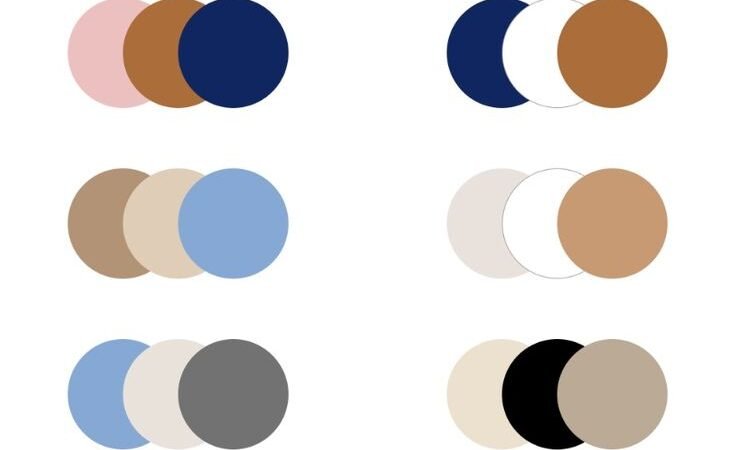
One of the fastest and most effective ways to instantly elevate your style is also one of the simplest — master your old money color palette. The right colors worn together create an impression of intentionality, sophistication, and quiet elegance that is the foundation of old money style.
The old money color palette is not accidental. It evolved over generations of aristocratic and upper-class dressing, refined by institutions like Ivy League universities, English boarding schools, and European aristocracy into a collection of colors that always look cohesive, always look expensive, and never go out of fashion.
This guide breaks down every color in the old money palette, how to wear each one, and how to combine them for effortlessly polished outfits.
Why Color Matters So Much in Old Money Style
Before diving into specific colors it’s worth understanding why the old money color palette works so well.
The colors of old money dressing share several key characteristics:
They are muted and desaturated. Old money colors are never bright or neon. They have a softness and depth that reads as refined rather than attention-seeking.
They work together naturally. Every color in the old money palette complements every other color. This means you can mix and match pieces freely without ever creating a clash — a wardrobe built around these colors essentially dresses itself.
They photograph well. Old money colors look equally good in person and in photographs — important in an era where personal style is increasingly documented on social media.
They transcend seasons. Unlike trend-driven color palettes that change each season, old money colors work year-round. Navy in January looks just as good as navy in July.
The Core Old Money Colors
Navy Blue
Navy is the single most important color in the old money wardrobe. It is versatile, universally flattering, and carries an inherent sense of authority and refinement that no other color matches.
Navy works in every context from the most formal to the most casual. A navy suit commands respect in a boardroom. A navy merino crewneck looks effortlessly elegant on a weekend. A navy blazer bridges the gap between the two.
How to wear navy:
- Navy blazer + khaki chinos + white Oxford shirt — the definitive old money combination
- Navy suit + white shirt + burgundy tie — classic business formal
- Navy merino crewneck + grey trousers + white OCBD — smart casual perfection
- Navy chinos + white polo + tan loafers — relaxed old money weekend
Navy pairs beautifully with: White, cream, khaki, grey, burgundy, forest green, camel
Key navy pieces to own: Navy blazer, navy merino crewneck, navy chinos, navy suit
White and Crisp Cream
White is the essential neutral of old money dressing — the color that ties every outfit together and provides the clean, fresh foundation that the aesthetic demands.
A crisp white Oxford shirt is arguably the single most versatile piece in any man’s wardrobe. It works under a navy blazer for smart casual, under a suit for business formal, or on its own tucked into chinos for a clean casual look.
Cream and ivory are softer alternatives to pure white that work particularly well in knitwear, casual shirts, and summer pieces. They have a slightly warmer, more relaxed quality that suits the old money aesthetic beautifully.
How to wear white:
- White OCBD + navy blazer + khaki chinos — the classic old money formula
- White dress shirt + charcoal suit — the most powerful business formal combination
- White polo + navy chinos + white sneakers — clean summer casual
- Cream cable knit + navy trousers + brown loafers — perfect autumn weekend
White pairs beautifully with: Every color in the old money palette
Key white pieces to own: White Oxford shirt, white dress shirt, white polo, cream cable knit sweater
Khaki and Beige
Khaki and beige are the warm neutrals of old money dressing — softer than grey, more relaxed than navy, and endlessly versatile as a base for building outfits.
Khaki chinos are the workhorse of the old money wardrobe. They bridge the gap between formal and casual effortlessly, working with blazers and dress shirts for smart casual occasions and with polo shirts and loafers for relaxed weekends.
Beige appears throughout the old money wardrobe in outerwear, knitwear, and casual shirting — always lending a warm, relaxed elegance to any outfit.
How to wear khaki and beige:
- Khaki chinos + navy blazer + white OCBD — the cornerstone old money outfit
- Beige chinos + forest green shirt + brown loafers — relaxed autumn weekend
- Camel overcoat + navy suit + white shirt — the most powerful winter combination
- Khaki shorts + white polo + boat shoes — classic summer old money
Khaki and beige pair beautifully with: Navy, white, forest green, burgundy, brown
Key khaki and beige pieces to own: Khaki chinos, beige chinos, camel overcoat, beige cable knit
Grey
Grey is the most sophisticated neutral in the old money palette — more formal than khaki, more versatile than black, and inherently elegant in a way that few other colors achieve.
Charcoal grey is the most formal end of the spectrum — a charcoal suit is the second most powerful business formal combination after navy. Mid grey works beautifully in wool trousers and knitwear. Light grey is a more relaxed option that works well in casual shirting and summer pieces.
How to wear grey:
- Charcoal suit + white shirt + navy tie — powerful business formal
- Grey wool trousers + navy blazer + white OCBD — smart casual at its best
- Grey V-neck sweater + white collar shirt + navy trousers — classic layered old money look
- Light grey chinos + white polo + white sneakers — clean summer casual
Grey pairs beautifully with: Navy, white, burgundy, camel, forest green
Key grey pieces to own: Grey wool trousers, charcoal suit, grey merino V-neck, grey flannel trousers
Camel and Tan
Camel is one of the most distinctively old money colors — warm, rich, and immediately evocative of the classic gentleman aesthetic. A camel overcoat is one of the most striking pieces a man can wear, and camel knitwear adds instant warmth and sophistication to any autumn or winter outfit.
Tan is the slightly lighter, more casual cousin of camel — appearing most powerfully in leather shoes and accessories where it adds warmth and character to any outfit.
How to wear camel and tan:
- Camel overcoat + navy suit + white shirt — the most powerful winter old money combination
- Camel cable knit + navy chinos + tan loafers — perfect autumn weekend
- Tan Oxford shoes + grey trousers + navy blazer — classic smart casual
- Camel chinos + white OCBD + navy blazer — warm weather alternative to khaki
Camel and tan pair beautifully with: Navy, white, grey, forest green, burgundy
Key camel and tan pieces to own: Camel overcoat, camel cable knit sweater, tan leather loafers, tan leather belt
Burgundy and Wine
Burgundy is the accent color of the old money palette — used sparingly but powerfully to add depth, richness, and a touch of personality to otherwise neutral outfits. It is never the dominant color but always the finishing touch that elevates an outfit from good to exceptional.
Burgundy appears most powerfully in accessories — a burgundy tie, a burgundy pocket square, or a pair of burgundy leather shoes instantly adds sophistication to any suit or blazer combination. It also works beautifully in knitwear during autumn and winter.
How to wear burgundy:
- Burgundy tie + navy suit + white shirt — the classic power combination
- Burgundy Oxford shoes + grey trousers + navy blazer — the most impactful shoe choice for old money style
- Burgundy merino crewneck + khaki chinos + white OCBD — rich autumn weekend look
- Burgundy pocket square + navy blazer + white shirt — subtle but powerful
Burgundy pairs beautifully with: Navy, grey, white, camel, khaki
Key burgundy pieces to own: Burgundy leather Oxford shoes, burgundy tie, burgundy merino sweater
Forest Green
Forest green is the most underused color in the old money palette and one of the most rewarding to incorporate. It adds a quiet, earthy richness to outfits that no other color quite replicates — evoking country estates, hunting weekends, and the British aristocratic countryside tradition.
Forest green works particularly well in casual shirting, outerwear, and accessories. A forest green waxed jacket is quintessentially old money British. A forest green Oxford shirt adds personality to an otherwise neutral outfit without breaking the color rules.
How to wear forest green:
- Forest green waxed jacket + khaki chinos + brown boots — country weekend perfection
- Forest green Oxford shirt + navy chinos + tan loafers — relaxed smart casual
- Forest green tie + navy suit + white shirt — subtle personality in business formal
- Forest green merino crewneck + grey trousers + brown Oxford shoes — rich autumn combination
Forest green pairs beautifully with: Navy, khaki, camel, white, brown
Key forest green pieces to own: Forest green waxed jacket, forest green Oxford shirt, forest green merino sweater
Brown — The Essential Leather Color
Brown is not typically worn as a clothing color in old money style but it is absolutely essential as the color of leather goods — shoes, belts, wallets, watch straps, and bags. Mastering brown leather is as important as mastering any clothing color.
The three essential shades of brown leather for old money style are:
Tan — the most casual and characterful. Develops a beautiful patina over time. Best worn with navy, grey, and khaki.
Mid brown — the most versatile. Works across casual and smart casual occasions. The single most useful leather color to own.
Dark brown — the most formal brown. Works well in business settings and formal occasions. Pairs beautifully with navy and grey.
The golden rule: Always match your belt to your shoes. Tan shoes with a tan belt, dark brown shoes with a dark brown belt. This small detail has a significant impact on the overall polish of any outfit.
Colors to Avoid in Old Money Style
Knowing what not to wear is as important as knowing what to wear. These colors have no place in an old money wardrobe:
Bright or neon colors — yellow, orange, hot pink, electric blue. These scream new money and fast fashion.
All black outfits — while black leather shoes and accessories are essential, head-to-toe black reads as fashion-forward rather than old money. Reserve black for formal occasions only.
Overly pastel colors — light pink, baby blue, and lavender can work in small doses but dominate an old money outfit.
Camouflage and military prints — completely at odds with the old money aesthetic.
Loud patterns on multiple pieces — one patterned piece per outfit maximum.
How to Build Outfits Using the Old Money Color Palette
The beauty of the old money color palette is how effortlessly the colors work together. Here are some foolproof outfit formulas using only these colors:
The Classic Smart Casual: Navy blazer + white OCBD + khaki chinos + tan loafers + tan belt
The Autumn Weekend: Camel cable knit + navy chinos + mid brown Oxford shoes + mid brown belt
The Business Formal: Charcoal suit + white dress shirt + burgundy tie + dark brown Oxford shoes
The Relaxed Summer: White polo + navy chinos + white clean sneakers
The Country Weekend: Forest green waxed jacket + khaki chinos + white OCBD + brown boots
The Evening Out: Navy blazer + grey wool trousers + white dress shirt + burgundy Oxford shoes
Notice how every outfit uses only colors from the old money palette — and how every outfit works perfectly as a result. This is the power of a cohesive color system.
Final Thoughts
Mastering the old money color palette is one of the highest-leverage things you can do for your personal style. Once you commit to these colors and build your wardrobe around them, getting dressed becomes effortless — every piece works with every other piece, every outfit looks intentional, and the overall impression is one of quiet, understated elegance.
Start with the core colors — navy, white, and khaki — and add camel, grey, and burgundy as your wardrobe develops. Incorporate forest green for personality and brown leather throughout your accessories.
For more guidance on building your old money wardrobe check out our complete [Old Money Capsule Wardrobe Guide] and our guide to [What is Old Money Style] for the full picture of the aesthetic.