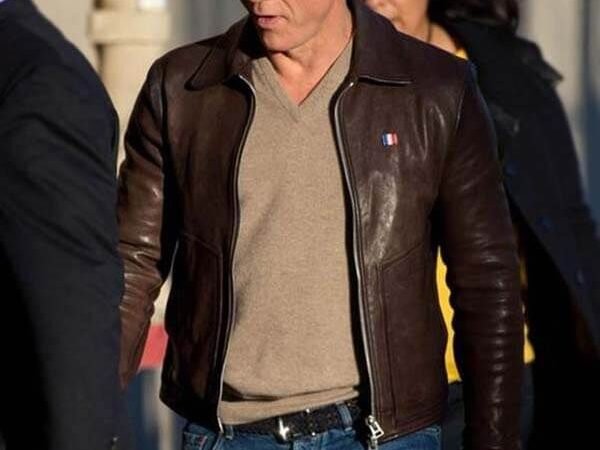
If you’ve spent any time on social media lately, you’ve probably noticed a certain aesthetic taking over — understated elegance, quality fabrics, and a wardrobe that looks like it was inherited rather than bought. That’s old money style men, and it’s one of the most timeless and wearable aesthetics a man can adopt.
But what exactly is old money style? Where does it come from? And how do you actually build a wardrobe around it without spending a fortune?
This guide covers everything you need to know.
What is Old Money Style?
Old money style refers to the fashion aesthetic associated with generational wealth — families who have been wealthy for decades or centuries rather than newly rich individuals. Think New England prep school, Ivy League universities, European aristocracy, and country clubs.
The key difference between old money and new money style is subtlety. Where new money dresses to show off wealth — loud logos, flashy colors, obvious designer labels — old money dresses to blend in among peers. The clothes are expensive, but they don’t scream it.
The result is a wardrobe built on quality, fit, and timeless pieces rather than trends.
Where Does Old Money Style Come From?
The aesthetic has deep roots in mid-20th century American and European upper-class culture. Think of the style associated with institutions like Harvard, Yale, and Princeton — the classic Ivy League look of the 1950s and 60s. Tailored blazers, Oxford shirts, pressed chinos, and leather loafers were the uniform of the American elite.
On the European side, British aristocracy contributed its own influence — Savile Row tailoring, tweed jackets, brogues, and an overall sense of quiet refinement.
These two traditions merged into what we now recognise as the old money aesthetic — classic, composed, and effortlessly elegant.
The Core Principles of Old Money Style
Before diving into specific pieces, it helps to understand the underlying principles that define the look:
1. Quality Over Quantity Old money dressing is about investing in fewer, better pieces rather than filling a wardrobe with cheap items. A single well-made blazer beats five mediocre ones every time.
2. Fit is Everything No matter how expensive your clothes are, poor fit ruins the look. Old money style demands well-fitted clothing — not too baggy, not too tight.
3. Neutral and Muted Colors The old money color palette is restrained. Navy, white, cream, beige, camel, forest green, and burgundy dominate. Loud or neon colors have no place here.
4. No Visible Logos This is perhaps the most defining characteristic. Old money dressing avoids flashy branding. If there’s a logo, it’s small and discreet.
5. Classic Over Trendy Every piece in an old money wardrobe should look just as good in ten years as it does today. Trends are irrelevant.
The Essential Old Money Wardrobe Pieces
Building an old money wardrobe starts with mastering a core set of pieces. Here are the essentials:
The Navy Blazer The single most important piece in an old money wardrobe. A well-fitted navy blazer works with virtually everything — chinos, dress trousers, even dark jeans for a more casual take. Look for natural fabrics like wool or a wool blend, with classic button details and no flashy lining.
Oxford Shirts The Oxford cloth button-down shirt, or OCBD, is a cornerstone of the old money look. White and light blue are the essential colors. Wear it tucked with chinos, or untucked and slightly rolled at the sleeves for a relaxed take. Brands like Ralph Lauren, Brooks Brothers, and J.Crew offer excellent options at various price points.
Chinos Well-fitted chinos in khaki, navy, or stone are a daily staple. They bridge the gap between formal and casual perfectly. Avoid overly slim or overly baggy cuts — aim for a tailored but comfortable fit.
Leather Loafers No shoe defines old money style quite like the leather loafer. Penny loafers and tassel loafers are the classic choices. Go for genuine leather in brown, tan, or black. These are shoes worth investing in — a good pair will last a decade.
Oxford Dress Shoes For more formal occasions, a clean pair of leather Oxford shoes in dark brown or black is essential. Cap-toe or plain-toe styles are the most versatile.
Wool Trousers A step up from chinos, well-fitted wool trousers in grey, navy, or camel elevate any outfit instantly. Pair with a blazer and Oxford shirt for a classic old money look.
The Polo Shirt A well-fitted polo shirt in a solid color is a summer staple of the old money wardrobe. Keep it tucked, choose quality pique cotton, and stick to classic colors.
Knitwear A fine merino wool crewneck or V-neck sweater layered over a collared shirt is quintessentially old money. Cable-knit sweaters and lambswool cardigans also fit the aesthetic perfectly.
A Classic Watch No old money outfit is complete without a understated timepiece. You don’t need to spend thousands — brands like Seiko, Orient, and Tissot offer genuinely classic-looking watches at accessible prices. Avoid anything too flashy or oversized.
A Quality Leather Belt Match your belt to your shoes. Always. A simple, well-made leather belt with a modest buckle ties the whole look together.
The Old Money Color Palette
Sticking to the right colors is one of the easiest ways to instantly elevate your style. The old money palette consists of:
- Navy — the most versatile and essential color
- White and light blue — for shirts and casual pieces
- Khaki and beige — for chinos and outerwear
- Camel — for coats and knitwear
- Forest green — for casual shirts, outerwear, and accessories
- Burgundy — for shoes, accessories, and occasional clothing pieces
- Grey — for trousers, suits, and knitwear
- Cream and ivory — as alternatives to white
Stick to these colors and your outfits will always look cohesive and intentional.
Old Money Brands to Know
Part of building an old money wardrobe is knowing which brands embody the aesthetic. Here are the key ones:
Heritage American Brands
- Ralph Lauren — the most recognisable old money brand, particularly Polo Ralph Lauren
- Brooks Brothers — the original American gentleman’s clothier
- J.Crew — more accessible, excellent for chinos, OCBDs, and basics
- L.L. Bean — for casual pieces, outerwear, and the iconic duck boot
European Heritage Brands
- Barbour — British heritage outerwear, particularly the waxed jacket
- Burberry — classic trench coats and timeless British style
- Church’s — exceptional English dress shoes
Accessible Alternatives You don’t need to buy heritage brands to achieve the look. Many high street and mid-range brands offer pieces that fit perfectly within the old money aesthetic:
- Uniqlo — excellent basics, particularly Oxford shirts and merino knitwear
- Banana Republic — solid chinos, blazers, and dress shirts
- Charles Tyrwhitt — quality dress shirts and suits at reasonable prices
How to Achieve Old Money Style on a Budget
The irony of old money style is that looking like you didn’t try too hard actually requires some effort and investment. But that doesn’t mean you need to spend a fortune. Here’s how to build the look on a budget:
Start with the basics. An Oxford shirt, a pair of chinos, and clean leather shoes will get you 80% of the way there for under $150 total.
Shop end-of-season sales. Heritage brands like Ralph Lauren and J.Crew regularly discount their classic pieces by 40–60%. Buy timeless items during sales and you’ll pay a fraction of the price.
Buy secondhand. Platforms like eBay, ThredUp, and Poshmark are goldmines for heritage brand clothing at dramatically reduced prices. A Brooks Brothers blazer that retails for $400 can often be found secondhand for $40–$60.
Invest in fit, not price. A $50 blazer that fits perfectly will always look better than a $500 blazer that doesn’t. If a piece doesn’t fit well off the rack, a tailor can often fix it for $20–$40.
Focus on shoes. Shoes make or break an old money outfit. Invest here before anywhere else — a quality pair of leather loafers or Oxfords will elevate every outfit you wear them with.
Common Old Money Style Mistakes to Avoid
Even with the right pieces, a few common mistakes can undermine the look:
- Wearing clothes that don’t fit — baggy or overly tight clothing instantly cheapens any outfit
- Over-accessorising — old money style is minimal; one watch, one belt, keep it simple
- Mixing too many patterns — if you’re new to pattern mixing, stick to one patterned piece per outfit
- Wearing overly casual shoes — chunky sneakers and heavily branded trainers clash with this aesthetic
- Ignoring grooming — old money style extends beyond clothing; clean, well-groomed hair and skin are part of the look
Final Thoughts
Old money style is less about how much you spend and more about how you carry yourself and what you choose to wear. It’s a commitment to quality, timelessness, and understated elegance over trends and flash.
The beauty of this aesthetic is that once you build the wardrobe, it essentially never goes out of style. Every piece you invest in today will still look just as good a decade from now.
Ready to start building your old money wardrobe? Check out our [Start Here guide] for the best place to begin.